In Midland, Odessa, and surrounding West Texas cities, 2%–3% wind and hail deductibles are now the standard, and 1% deductibles are no longer offered by most carriers. This means homeowners may face $6,000–$12,000+ out-of-pocket costs after a storm. This guide explains why deductibles increased, what they mean for your finances, and how to make sure you’re not carrying more risk than you can afford.
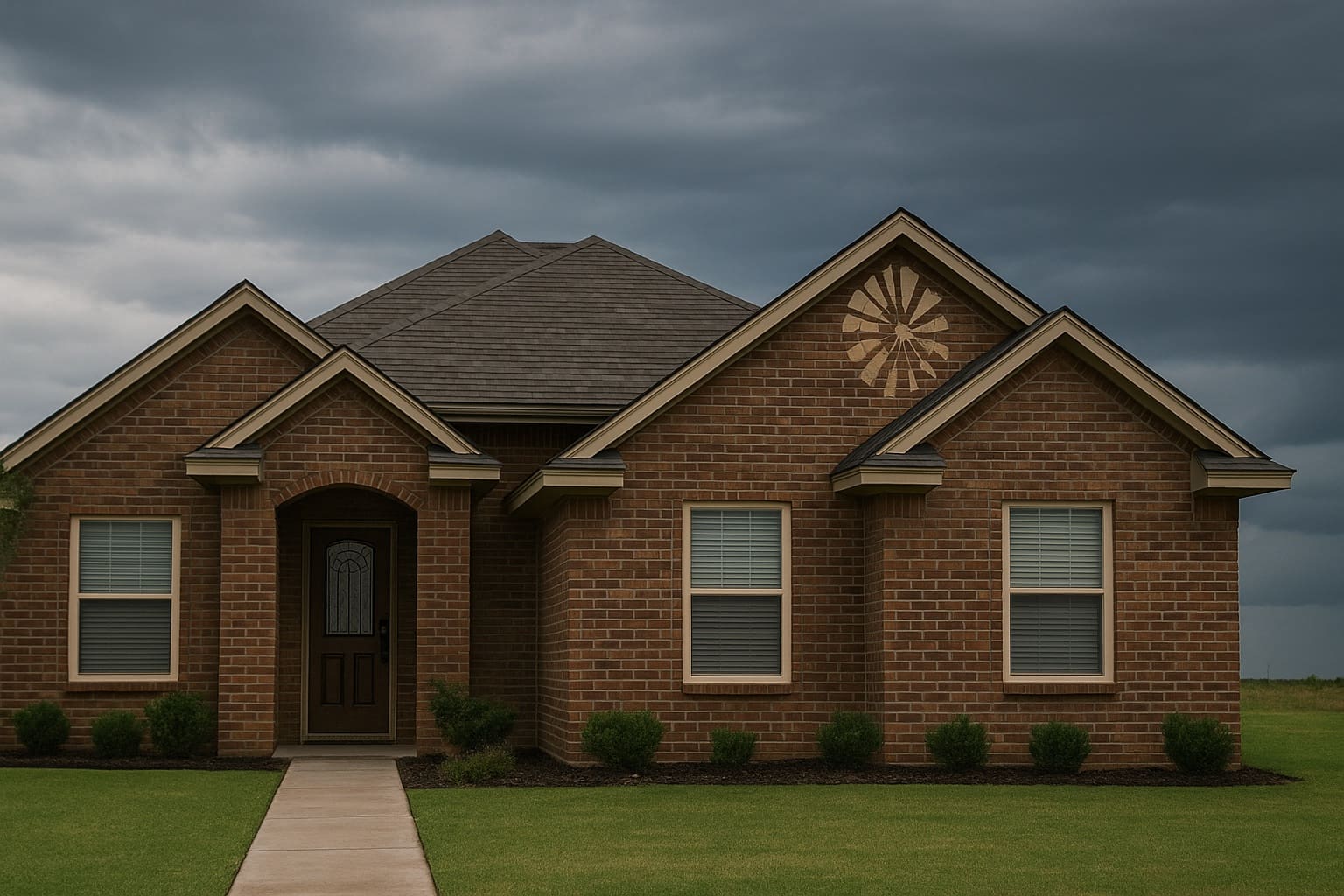
Wind and hail storms remain the #1 cause of home insurance claims across Midland, Odessa, Andrews, Big Spring, Stanton, and Monahans. According to the Texas Department of Insurance (TDI), the rise in severe weather and roofing costs has pushed insurance carriers statewide to increase wind/hail deductibles — especially in West Texas zones with above-average hail frequency.
The result? Most homeowners now have deductibles far higher than they had five or ten years ago.
Why 1% Wind/Hail Deductibles Are No Longer Available in West Texas
Due to severe hail activity and high loss ratios in Midland and Odessa, many carriers completely discontinued 1% wind/hail deductibles in this region. That means:
❌ 1% deductibles are no longer an option
✔ 2% is the new minimum
✔ 3% is increasingly common
✔ Some carriers cap options at 3% only
Reasons include:
- Increased roof fraud statewide
- Severe hail losses
- Rising roofing materials and labor costs
- Frequent weather claims reported to carriers
- Tightening underwriting guidelines in the Permian Basin
The National Weather Service (NOAA) identifies West Texas as one of the most hail-prone regions in the U.S., contributing to the shift.
What a 2%–3% Deductible Really Costs You
Because deductibles are based on your home’s insured value, the actual dollar amount may surprise homeowners who haven’t reviewed their policy in a few years.
Example: Midland Home
- Insured value: $350,000
- 2% deductible = $7,000
- 3% deductible = $10,500
Example: Odessa Home
- Insured value: $425,000
- 2% deductible = $8,500
- 3% deductible = $12,750
Example: Andrews Home
- Insured value: $300,000
- 2% deductible = $6,000
- 3% deductible = $9,000
If you haven’t reviewed your deductible in the last 12–24 months, your liability may now be significantly higher than you think.
Wind & Hail Deductible vs. All-Perils Deductible
Most West Texas policies have two deductibles:
All-Perils Deductible (flat $1,000–$2,500)
Used for pipe bursts, fire, water leaks, theft, etc.
Wind/Hail Deductible (percentage-based)
Used for hail, windstorms, tornadoes — the most common claims here.
Because nearly every homeowner in Midland/Odessa will experience hail at some point, the wind/hail deductible is the one you’re most likely to use.
How to Know if Your Deductible Is Too High
Your wind/hail deductible may be too high if:
- You could not comfortably pay it within 30 days
- You assumed your deductible was a flat $1,000
- Your home’s value increased (raising your deductible amount)
- You have a 3% deductible without realizing the true cost
- You prefer predictable financial exposure during storms
Most West Texas homeowners do not realize their deductible rose as insurers increased Coverage A (rebuild cost) — meaning your deductible may have climbed thousands of dollars without you noticing.
Is It Possible to Lower Your Wind/Hail Deductible?
In many cases, yes—but options depend on:
- Your roof age and type
- Your claims history
- The carrier’s appetite in your ZIP code
- Discounts available for roof upgrades
- Whether you bundle home & auto with the same carrier
Metal roofs and newer roofs often qualify for better pricing and more favorable deductible options.
Even if 1% is unavailable in your area, some homeowners may still qualify for better pricing or a lower 2% rate depending on underwriting.
Q: What is the standard wind and hail deductible in Midland and Odessa?
A: Today, most West Texas homeowners have a 2%–3% wind and hail deductible, as 1% options are no longer offered by most carriers due to hail frequency and rising roof costs.
FAQ
Why did my deductible increase?
Carriers adjust deductibles as home values rise and underwriting guidelines change in hail-prone regions.
Is a 3% deductible bad?
Not necessarily—but you should know the real dollar amount so you can plan for it financially.
Do all claims use my wind/hail deductible?
No. Only weather-related losses. Other claims fall under your flat all-perils deductible.
Will upgrading my roof help?
Yes. New roofs, especially impact-resistant or metal roofs, can improve rates and deductible options.
Not sure whether your deductible is 2% or 3%—or what it means in real dollars?
We can help.
Call Midland: 432-694-0508
Call Odessa: 432-332-6322
or visit www.killebrewinsurance.com for a quick, accurate deductible review.
Written by Craig Killebrew, Agency Manager at Killebrew Insurance LLC
Craig Killebrew has more than 20 years of experience helping Texas homeowners protect their most valuable assets. He specializes in home, auto, and bundled protection plans for families across Midland, Odessa, and the greater West Texas region. His guidance is supported by authoritative resources from the Texas Department of Insurance (TDI), National Association of Insurance Commissioners (NAIC), FEMA, and the National Weather Service (NOAA).