When you purchase a home, you may encounter various financial terms and processes that can seem complex at first. One such term is “escrow account.” Understanding how your escrow account works and how your insurance affects it is crucial for managing your homeownership expenses effectively. In this comprehensive guide, we will explore the intricacies of escrow accounts and the role insurance plays in this financial arrangement.
What is an Escrow Account?
An escrow account is a financial arrangement where a third party holds funds on behalf of the two primary parties involved in a transaction. In the context of homeownership, an escrow account is typically set up by your mortgage lender to manage and pay property-related expenses, such as property taxes and homeowners insurance, on your behalf.
How Does an Escrow Account Work?
When you secure a mortgage, your lender may require you to establish an escrow account. Each month, a portion of your mortgage payment is deposited into this account. The lender then uses the funds in the escrow account to pay your property taxes and homeowners insurance premiums when they are due. This ensures that these critical expenses are paid on time, reducing the risk of penalties or lapses in coverage.
The amount deposited into your escrow account is determined by estimating the annual costs of your property taxes and insurance premiums. This total is divided by 12 to calculate the monthly contribution required. Your lender will periodically review your escrow account to ensure that the correct amount is being collected and may adjust your monthly mortgage payment accordingly.
The Role of Insurance in Your Escrow Account
Homeowners insurance is a vital component of your escrow account. It protects your home and personal property from potential risks such as fire, theft, or natural disasters. Since maintaining insurance coverage is often a requirement of your mortgage agreement, your lender uses the escrow account to ensure that your premiums are paid promptly.
How Insurance Affects Your Escrow Account
- Premium Changes: Insurance premiums can fluctuate based on various factors, including changes in coverage, updates to your policy, or adjustments in the insurance market. If your premium increases, your lender will adjust the escrow account contributions to cover the new amount, which may lead to a change in your monthly mortgage payment.
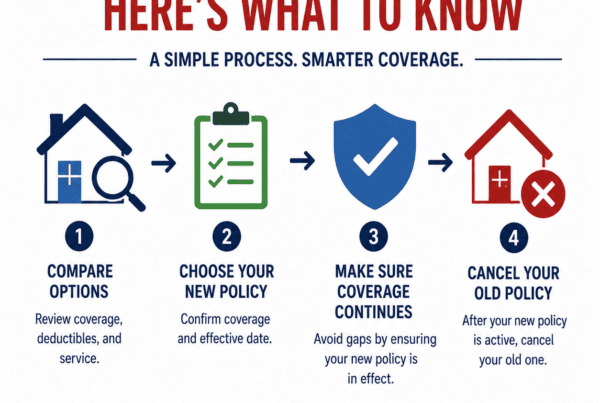
- Policy Changes: If you decide to switch insurance providers or modify your coverage, it is essential to inform your lender. They will need to update the escrow account to reflect the new premium amounts and ensure that payments are made to the correct insurer.
- Annual Escrow Analysis: Lenders conduct an annual escrow analysis to review the account’s balance and ensure that sufficient funds are available to cover upcoming expenses. If there is a shortage, you may be required to make an additional payment or see an increase in your monthly mortgage payment.
Managing Your Escrow Account Effectively
To manage your escrow account effectively, it is important to stay informed about your insurance policy and any changes that may affect your premiums. Regularly review your insurance coverage to ensure it meets your needs and remains cost-effective. Additionally, communicate promptly with your lender regarding any changes to your policy or coverage.
For more detailed information or personalized assistance with your escrow account and insurance needs, please feel free to reach out to our agency. Our team is here to help you navigate these financial aspects with confidence and ease.